






Key Takeaways
Know the Rules: North Carolina limits security deposits and late fees, with additional requirements for rental properties.
Protect the Property: Update your insurance, complete necessary repairs, and document the home's condition before move-in.
Price and Time It: Use comparable Raleigh rentals to set your price and consider seasonal leasing patterns when choosing when to list.
Screen Consistently: Set clear screening criteria in advance and apply the same relevant, nondiscriminatory standards to every applicant.
Whether you're relocating, renting out an inherited home, or buying your first rental property, this first-time landlord checklist from KRS Property Management walks through the essential steps to get your Raleigh rental ready.
We'll cover everything from security deposit requirements and landlord insurance versus homeowners insurance to setting rent, screening applicants, and planning for the seasonal slowdown that can affect leasing activity in the fall.
Get Your Free Rental Consultation Today!
Step 1: Confirm North Carolina's Legal Requirements
Before listing the property, make sure you understand North Carolina's landlord-tenant requirements. The state's Residential Rental Agreements Act and Tenant Security Deposit Act set rules that a generic lease template may not cover.
North Carolina caps security deposits at two weeks' rent for week-to-week tenancies, one and a half months' rent for month-to-month tenancies, and two months' rent for longer terms.
Deposits must be held in a qualifying trust account or secured with a bond, and the tenant must be notified within 30 days after the lease begins where the deposit is held. Late fees for monthly rent are limited to $15 or 5% of the monthly rent, whichever is greater.
The fee can only be charged after the rent is at least five calendar days late and must be addressed in the rental agreement, with written notice required before collection. Before move-in, also confirm that required smoke and carbon monoxide alarms are installed and operational.

Carbon monoxide alarms are required in rental units with a fossil-fuel-burning appliance, fireplace, or attached garage. For most pre-1978 rentals, federal law also requires lead-based paint disclosures before the lease is signed.
Step 2: Get the Right Insurance
A standard homeowners policy is generally designed for owner-occupied property. If you plan to rent out your home, tell your insurer before a resident moves in.
Renting the property without updating your policy could affect coverage or even lead to cancellation, depending on the policy and insurer. Landlord insurance, often sold as a dwelling fire policy, is designed for rental properties.
It typically covers the structure and may include loss-of-rent coverage after a covered event makes the home unlivable, along with liability protection. Landlord insurance generally doesn't cover a resident's personal belongings, which is why many owners require renters insurance as part of the lease.
You should also let your mortgage lender know about the change in occupancy, since your loan terms may have their own requirements.
Step 3: Draft a Lease That Matches North Carolina Law
Avoid using a generic lease written for another state. Your North Carolina lease should clearly address key terms such as the security deposit, late fees, renewal and non-renewal terms, pets and occupancy, and maintenance responsibilities.

Make sure the lease also follows applicable North Carolina landlord-tenant laws.
Step 4: Document Condition and Finish Make-Ready Work
Before move-in, photograph or video every room and document existing wear or damage. Keep these records with your move-in inspection report so you have clear documentation of the property's condition if there is a dispute over the security deposit later.
Complete needed repairs, cleaning, and safety checks before listing, including smoke and carbon monoxide alarms, locks, and GFCI outlets where required. Owners can handle make-ready work themselves or arrange financing or a payment plan if needed.
Step 5: Price the Home Based on Current Market Conditions
Raleigh rental pricing varies significantly by property type, size, location, and condition. Avoid using apartment rents or automated estimates to price a single-family home. Instead, compare your property with similar homes that have recently been listed or leased in the area.
Pricing too high can lead to longer rental vacancy, while pricing too low can leave rental income on the table. Review current comparable properties and adjust for factors such as updates, amenities, location, and overall condition.
Step 6: Time the Listing Around Raleigh's Leasing Season
Raleigh's rental market tends to see its highest rents around July and its lowest around November, with roughly a 4% seasonal difference, according to Zumper. If you're listing between October and February, consider whether a longer lease could shift the next renewal into the busier summer months.
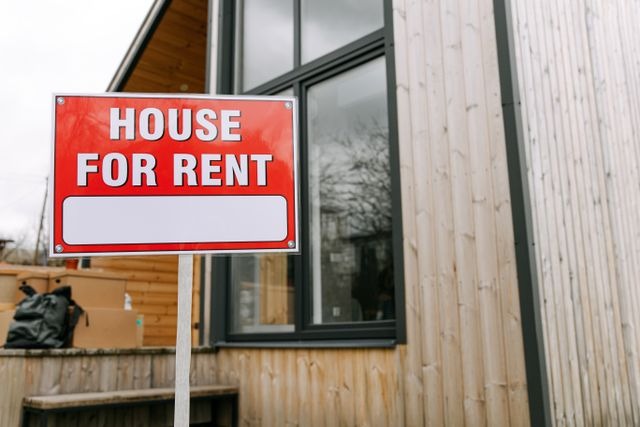
Strong marketing matters year-round. Use quality photos, broad listing distribution, and convenient showing times to give the property the best chance of reaching prospective residents.
Step 7: Screen Every Applicant Using the Same Criteria
Set your screening criteria before applications arrive and apply them consistently to every applicant. Your criteria might include income, credit, rental history, and a criminal background check, but they should be relevant to the tenancy and applied in a consistent, nondiscriminatory manner.
Give applicants the same application and follow the same screening process for everyone. Avoid blanket policies based on criminal records or relying on arrest records that did not result in convictions. Document the information considered and the reason for each decision.
Bottom Line
Getting a Raleigh rental ready is about taking the right steps in the right order. Handle legal requirements and insurance first, then prepare the property, finalize the lease, and set your pricing before listing.
KRS Property Management helps Raleigh and Wake County landlords with everything from lease-only placement to full-service management. Call 919-745-8997 or request a free rental price analysis before you list.
Frequently Asked Questions
Do I Need to Register My Rental Property With the City of Raleigh or Wake County?
Raleigh does not currently have a general rental registration requirement for long-term single-family homes, but other requirements may apply depending on the property and its use.
Before listing, check zoning, permits, housing-code requirements, and any outstanding violations. Multifamily properties and short-term rentals can have different rules, so confirm requirements with the appropriate local department.
What Should I Ask My Insurance Company Before Renting Out My Raleigh Home?
Tell your insurer that the property will be rented and ask how the change affects your coverage. Confirm the required liability limits, deductible, loss-of-rent coverage, and any exclusions that could affect a rental property.
You should also ask whether the policy requires specific property inspections, safety features, or vacancy conditions while the home is between residents.
What Should I Do If My Raleigh Rental Needs Repairs Before Listing?
Start with repairs that affect rental safety, habitability, or compliance, then address issues that could affect the property's condition or marketability. Check plumbing, electrical systems, HVAC, locks, alarms, and visible water damage before focusing on cosmetic improvements.
Document completed work and keep invoices or other records, especially for repairs that could become relevant to future maintenance or disputes.
What Should I Do If My Raleigh Rental Isn't Getting Applications?
First, look at the listing objectively rather than immediately assuming the market is the problem. Compare your asking rent with similar available homes, review listing photos and property presentation, and consider how many inquiries and showings you're receiving.
Few inquiries can point to pricing or marketing, while showings without applications may indicate concerns about the property, terms, or overall value.
Should I Use a Lease-Only Service or Full Property Management for My First Rental?
The main difference is what happens after the pcroperty is leased. A lease-only service can handle marketing, applicant screening, and lease preparation before returning management responsibilities to the owner.
Full-service management can continue with rent collection, maintenance coordination, resident communication, inspections, and other ongoing tasks. Consider how much time, local availability, and hands-on involvement you want after move-in.