






Key Takeaways
Maintenance Response: Response time is one of the biggest practical differences between local and out-of-state self-management, particularly when urgent repairs require someone on-site.
In-Person Tasks: Local owners can handle showings, inspections, and property visits themselves, while out-of-state owners typically need local help for these tasks.
Communication Demands: Managing tenants and vendors from a distance can create additional coordination challenges, especially across time zones.
Legal Compliance: North Carolina landlord-tenant requirements apply regardless of where the owner lives, but remote owners may face added challenges coordinating notices, documentation, and other compliance tasks.
Local Management Support: A local property manager can provide the in-market support needed for leasing, maintenance coordination, inspections, and other responsibilities that are difficult to handle remotely.
Owning a rental in Raleigh while living elsewhere is common, especially as the Triangle continues to attract investors from outside North Carolina. The challenge isn't whether you can manage a rental from a distance.
It's what happens when you're no longer close enough to handle the day-to-day issues yourself, whether that means driving to Cary or Apex to unlock a door, meet a vendor, or respond to a problem.
KRS Property Management, works with owners who live minutes from their rental as well as those managing properties from three time zones away. The greater the distance, the more important it becomes to have reliable systems and local support in place.
Get Your Free Rental Consultation Today!
Handling Maintenance Issues Remotely
A local owner can often reach a leaking water heater within the hour. An out-of-state owner has to find a vendor, confirm availability, and arrange access to the property, often without an established local contact.
Raleigh summers can put significant strain on AC systems, and a failed unit in July cannot always wait for a response from three states away. Vendor access is just as important as response time.
Local owners may already have trusted plumbers or electricians, while out-of-state owners often have to find a vendor on short notice and may face higher costs without established relationships.

KRS Property Management assigns work orders through a full-time maintenance coordinator and contacts owners for approval on non-emergency repairs.
If an owner does not respond within 48 hours, the repair is scheduled anyway, preventing maintenance issues from sitting unresolved while an approval request waits for a response.
Showings and Inspections in Person
Leasing activity in the Triangle can slow during the fall and winter, which makes timely showings especially important.
A local owner can accommodate an evening showing when needed, but an out-of-state owner cannot easily travel to Wake Forest for a last-minute walkthrough. Distance can make it harder to keep showings flexible and respond quickly when prospective renters are available.
Move-in and move-out inspections present a similar challenge. Documenting the property's condition with a checklist and photos creates a record that can be useful if a security deposit dispute arises.
For out-of-state owners, however, someone still needs to be physically present to complete the inspection and document the property's condition.
KRS Property Management assigns a dedicated leasing agent to each vacancy, markets listings on Zillow and Trulia, and handles open houses and hosted showings. For winter vacancies.
Communication Overhead With Tenants and Vendors
Local owners can often handle tenant communication with a quick phone call or property visit. Distance adds another layer of coordination. A tenant in Chapel Hill calling at 7 a.m. Eastern is reaching an owner in California at 4 a.m. Pacific.
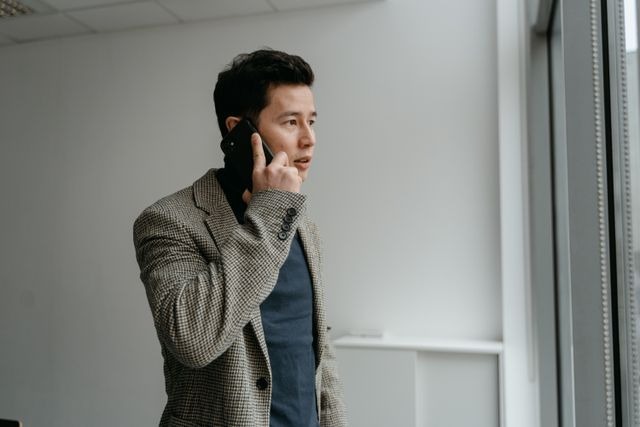
Multiply that across maintenance requests, lease questions, vendor coordination, and rent-related issues, and the communication burden can add up quickly.
A tenant portal can reduce some of that friction by allowing residents to pay rent and submit maintenance requests without contacting the owner directly.
KRS owners also receive monthly statements between the 15th and 18th, with direct deposit and free off-cycle disbursements when funds need to be sent outside the regular schedule.
These systems do not eliminate communication, but they reduce the routine back-and-forth that can become especially difficult when the owner lives in another time zone.
Legal and Compliance Gaps From a Distance
North Carolina law limits late fees under G.S. 42-46 and sets limits on security deposits based on the lease term. These rules apply whether the owner lives in Raleigh or Denver.
The difference is how easily the owner can stay current with requirements and handle issues when they arise. An experienced local owner may already be familiar with notice requirements for nonpayment and lease violations.
An out-of-state owner managing a property from another state has to keep up with North Carolina requirements while also coordinating notices, documentation, and other steps remotely. Even a small procedural mistake can create delays or complications during an eviction.
Where Professional Management Closes the Gap
Distance can turn routine rental tasks into logistical problems. A repair may require someone on-site, a showing may need to happen that evening, or a tenant may need an answer before moving on to another rental.
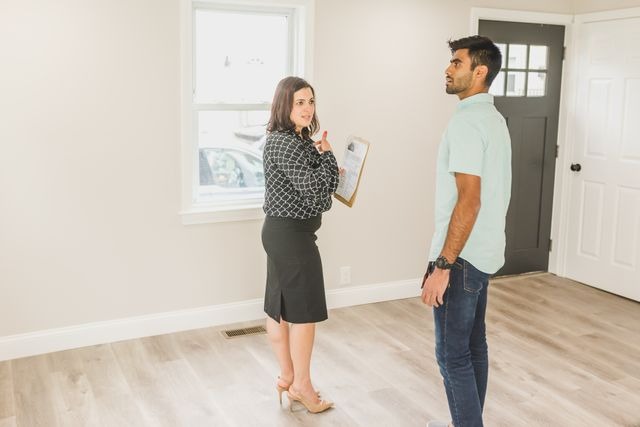
Professional management provides the local presence needed to handle those situations without requiring the owner to be physically nearby.
For out-of-state owners, a local presence provides support with in-person property inspections, showings, maintenance coordination, and other tasks that are difficult to handle remotely.
Conclusion
Distance does not change what a rental needs, but it can make repairs, showings, inspections, and tenant communication harder to manage.
KRS Holdings provides local leasing and maintenance support for out-of-state owners who need help handling those responsibilities in Raleigh. Owners can request a free rental price analysis or call 919-745-8997 to discuss their property.
Frequently Asked Questions
How Can Out-of-State Owners Keep Track of a Raleigh Rental Without Being There?
Remote owners need a reliable way to monitor the property's financial and physical condition without making frequent trips. Online owner portals, digital statements, maintenance updates, inspection reports, and centralized records can make it easier to stay informed.
The goal is not to oversee every task personally, but to have enough visibility to understand what is happening at the property and when owner involvement is needed.
What Happens if a Tenant Stops Paying Rent While the Owner Lives Out of State?
The eviction process does not change based on where the owner lives, but handling it remotely can add logistical challenges. Owners still need to follow North Carolina's notice and court requirements, keep accurate records, and respond within required timeframes.
An owner who is unfamiliar with the process may also need local help coordinating notices, documentation, court-related steps, and property access.
Does Self-Managing Locally Guarantee Faster Leasing Than Hiring a Manager?
Not necessarily. Leasing speed depends on factors such as pricing, marketing, property condition, and how quickly prospective renters can schedule showings.
A local owner has the advantage of being nearby, but still has to fit showings around work and other commitments. A dedicated leasing agent can provide more consistent availability without requiring the owner to be present.
Should an Out-of-State Owner Keep Extra Cash Reserved for Vacancy or Repairs?
Yes. Maintaining a cash reserve can help cover unexpected repairs, turnover costs, vacancies, or other expenses without forcing the owner to make rushed decisions.
The appropriate amount depends on the property's age, condition, financing, expected maintenance needs, and other operating costs. Owners should consider their likely expenses rather than relying on a fixed reserve amount.
What Should an Out-of-State Owner Look for in a Raleigh Property Manager?
Owners should look beyond whether a manager operates locally. Ask how maintenance requests are handled, who conducts inspections and showings, how owners approve expenses, how financial reporting works, and how tenant communication is managed.
It is also worth confirming who handles after-hours issues and what happens when the owner is unavailable, since those processes become especially important when the property is several states away.