






Key Takeaways
Follow Notice Requirements: Providing proper notice and entering only for legitimate business reasons helps Raleigh landlords maintain compliance and avoid privacy‑related disputes.
Protect Sensitive Data: Safeguarding tenant financial information through secure storage and strict disposal practices reduces liability and supports professional property operations.
Use Surveillance Responsibly: Limiting cameras to common areas and clearly disclosing them prevents privacy violations and potential legal issues.
Respect Emergency Protocols: Entering only during true emergencies and documenting the incident afterward helps landlords stay compliant and maintain tenant trust.
Managing a rental property means protecting your investment while also respecting your tenants’ right to privacy. Knowing when you can enter a property, how much notice to provide, and what privacy rules apply can help you avoid disputes and maintain a positive landlord-tenant relationship.
Privacy requirements can vary depending on local and state laws, so understanding your responsibilities is essential for staying compliant.
KRS Property Management can help you navigate these requirements, protect your investment, and manage your rental with confidence.
Get Your Free Rental Consultation Today!
Essential Privacy Rules for Property Owners
To keep your rental business thriving while avoiding legal trouble, you must clearly understand the exact rules of tenant privacy.
Here are eight crucial factors every landlord needs to master:
Advance Notice Requirements
As a landlord here in the US, you must understand that your tenants have a legal right to quiet enjoyment.
This means you cannot just walk into their home unannounced. Providing advance notice, usually 24 to 48 hours depending on your specific state, is crucial because it respects their personal space and prevents potential harassment claims.
You handle this by delivering a written notice through email, mail, or a physical door hanger before your planned visit. The document needs to state a specific date, an estimated time frame, and a valid reason for the entry. Sticking to this exact schedule shows your tenants you run a professional business.
Valid Reasons for Entry
Simply giving notice does not grant you free rein to enter the property whenever you want. You need a legitimate, business-related purpose for your visit.

This restriction is vital because entering without a proper reason violates your tenant's privacy rights, instantly breaking trust and opening the door to severe legal consequences.
You ensure compliance by limiting your visits to specific situations, such as performing necessary repairs, conducting routine property inspections, or showing the unit to prospective buyers and new renters.
When you schedule these specific tasks, you clearly communicate the exact purpose to your tenant so there is absolutely no confusion.
Handling Sensitive Financial Data
When you screen applicants, you collect highly sensitive information like Social Security numbers and bank account details. Safeguarding this data is a massive responsibility.
If this information falls into the wrong hands due to your negligence, you could face devastating lawsuits and completely destroy your reputation as a trustworthy housing provider.
You protect your tenants by using encrypted digital storage systems and keeping physical documents locked in a secure filing cabinet.
Once a leasing decision is made, you must securely shred any paper applications and permanently delete digital files that are no longer required for your business operations or local compliance.
Strict Limits on Surveillance
Installing security cameras might seem like a smart way to protect your property, but you have to tread very carefully. Tenants have reasonable expectations of privacy inside their homes.
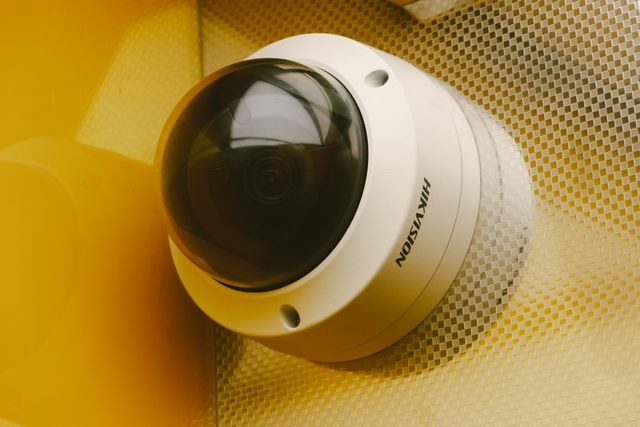
Placing cameras in the wrong location is not just unethical; it is strictly illegal and can lead to criminal charges against you. You navigate this by only placing visible cameras in public areas like building entrances, parking lots, or laundry rooms.
You must absolutely avoid pointing lenses at private windows, patios, or the interior of the units. Additionally, you should clearly disclose the presence of all surveillance equipment in your lease agreements.
Prohibiting Information Sharing
Gossiping about your tenants is a surefire way to land in hot water. You must keep their personal information completely confidential.
Sharing details about their payment history, lease terms, or personal lives with other tenants or strangers violates fair housing privacy standards and destroys the fundamental trust required in a landlord-tenant relationship.
You handle this by training any staff or maintenance workers to stay tight-lipped about tenant affairs. If another tenant asks about a neighbor, politely redirect the conversation by stating you cannot discuss resident information.
Direct all official inquiries, such as those from future landlords verifying rental history, to require a signed written release form first.
Secure Disposal of Screening Reports
Keeping old credit reports lying around your office is a disaster waiting to happen. Federal laws across the US specify exactly how long you can keep consumer data, but holding onto it indefinitely is a massive liability.
Proper disposal prevents identity theft and ensures you are not held responsible if an applicant's data is compromised. You accomplish this by establishing a strict document destruction protocol.

Once you choose a tenant and the denial period passes, use a cross-cut shredder to destroy all physical background checks.
For digital files, permanently wipe them from your hard drive using secure deletion software rather than just dragging them to your computer's recycle bin.
Understanding Emergency Exceptions
While notice rules are strict, every state recognizes that true emergencies require immediate action. Understanding this exception is critical because delaying entry during a crisis could result in severe property damage or even loss of life.
However, you must know exactly what constitutes an emergency so you do not falsely use it to bypass notice laws. You apply this correctly by only entering without notice for imminent threats, such as an active fire, a burst pipe causing flooding, or a gas leak.
When you enter under these extreme circumstances, you should only address the specific emergency and then promptly leave. Following the immediate fix, document the incident thoroughly for your local records.
Bottom Line
Protecting tenant privacy is an important part of managing a successful rental property. By understanding entry requirements, respecting tenants’ privacy, and following applicable laws, landlords can reduce the risk of disputes while maintaining positive rental relationships.
At KRS Property Management, we help property owners stay on top of the day-to-day responsibilities of rental management while keeping compliance in mind.
Our team can help you navigate property access, tenant communication, and other management requirements with confidence. Contact us today to learn how we can help protect your investment and simplify rental property management.
Frequently Asked Questions
What Are Considered Legitimate Reasons for Entering a Tenant’s Unit?
Landlords can typically enter a rental home for essential repairs, routine inspections, or showing the property to prospective renters or buyers. These reasons must be clearly communicated in advance, and the visit should be limited to the stated purpose.
Entering without a valid business need may violate privacy expectations and create unnecessary conflict, so sticking to documented, property‑related tasks is the safest approach.
How Should Landlords Handle Sensitive Tenant Information During Screening?
Screening documents often contain Social Security numbers, financial records, and other confidential data. Raleigh landlords should store this information securely, and dispose of it according to federal consumer data rules.
Once an applicant is approved or denied, unnecessary records should be shredded or permanently deleted to reduce the risk of identity theft or compliance issues.
Are Security Cameras Allowed at Rental Properties in Raleigh?
Security cameras can be used in common areas such as entrances, parking lots, or shared laundry rooms, but never inside a tenant’s home or directed toward private spaces like patios or windows.
Cameras should be visible and disclosed in the lease. This approach helps protect the property while respecting privacy expectations and avoiding potential legal concerns related to surveillance misuse.
How Can Property Management Services Help Landlords Protect Tenant Privacy?
A professional property management company can assist with notice procedures, secure data handling, compliant surveillance practices, and emergency response documentation.
They also help standardize communication and ensure privacy expectations are consistently met across all units. For Raleigh landlords, this support can reduce risk, streamline operations, and provide peace of mind when navigating evolving privacy requirements.