




.jpg)
Key Takeaways
Prevent Costly Risks: Regular inspections and proactive maintenance help reduce liability, emergencies, and tenant turnover.
Address Safety Hazards Early: Fire, electrical, structural, and health issues should be fixed quickly before they become major problems.
Keep Detailed Records: Documentation of inspections, repairs, and safety upgrades helps protect landlords from disputes and compliance issues.
Owning rental property in North Carolina comes with both a legal and financial responsibility to keep tenants safe. Rental safety standards affect everything from liability and insurance costs to tenant retention and long-term property value.
For landlords working with KRS Property Management, staying proactive about safety compliance can help prevent costly repairs, legal issues, and unnecessary vacancies.
This guide explains how to determine whether your rental property meets safety standards and what issues should be addressed right away.
Understanding What Makes a Rental Safe and Habitable
North Carolina law requires landlords to keep rental properties safe, functional, and fit for human habitation. At a minimum, rentals should provide:
Safe structural conditions
Working plumbing, heating, and electrical systems
Protection from weather exposure
Safe water and sanitation access
Landlords should also remember that local building codes may impose additional safety requirements beyond state law.
Perform Regular Rental Safety Inspections
Waiting until something breaks can lead to bigger safety and liability issues.
A thorough inspection should check:
Electrical systems and wiring
Plumbing leaks and drainage
HVAC performance
Roof and exterior condition
Interior hazards like loose stairs or damaged flooring
Inspections should be completed before move-in, during tenancy, and after move-out. Always document findings with photos and notes.
Fire and Emergency Safety Is Essential
Fire and life safety requirements are some of the most important responsibilities landlords have.
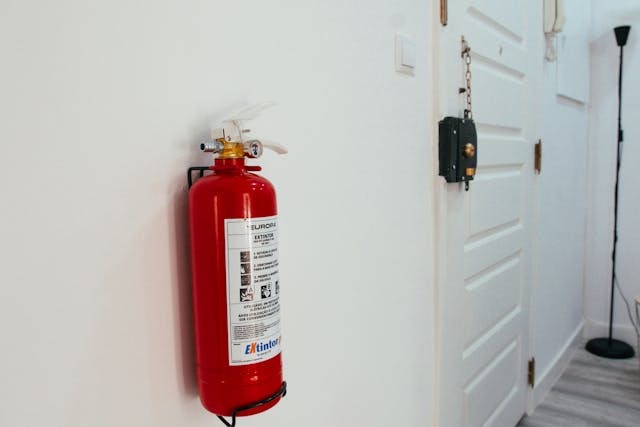
Every rental should have properly installed and working smoke and carbon monoxide detectors that are regularly tested and replaced when needed.
Landlords should also ensure:
Doors and windows open easily in emergencies
Hallways and exits stay clear
Bedrooms meet emergency escape requirements where applicable
Accessible fire extinguishers can also provide an added layer of protection.
Electrical and Structural Problems Can Put Tenants at Risk
Some of the most serious safety hazards in a rental property are not always obvious at first glance. Electrical and structural issues can lead to injuries, property damage, and costly liability claims if they are ignored.
Common Electrical Hazards
Be sure to watch for warning signs such as:
Flickering lights or frequently tripped breakers
Outdated, damaged, or exposed wiring
Overloaded outlets or extension cords used long-term
Missing GFCI outlets in kitchens, bathrooms, and other wet areas
Structural Issues to Address Quickly
Structural problems can also create serious safety concerns, including:
Loose or unstable stairs and railings
Cracked foundations or uneven flooring
Water damage that weakens floors, walls, or support beams
Even minor issues can worsen over time and increase your liability if a tenant or visitor is injured on the property.
Health Hazards Can Make a Rental Unsafe
A rental property may appear clean and well-maintained while still containing hidden health hazards that affect tenant well-being and create liability for landlords.
Moisture and Mold Problems
Excess moisture can quickly lead to mold growth and property damage. Common causes include:
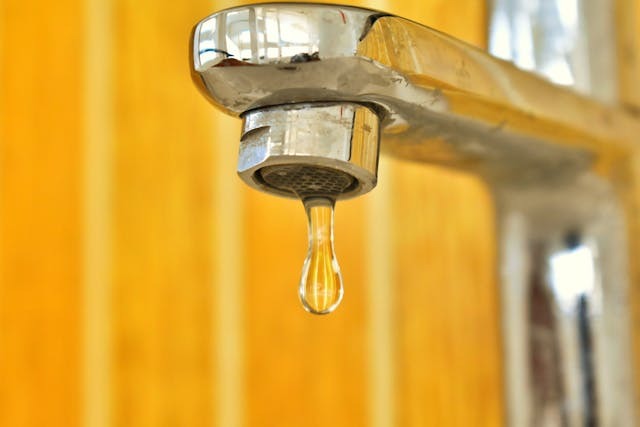
Leaking pipes or plumbing fixtures
Poor ventilation in kitchens and bathrooms
Roof leaks or drainage problems around the property
If left unresolved, mold issues can lead to tenant complaints, health concerns, and expensive repairs.
Pest Problems Should Be Addressed Promptly
Pests can also create unhealthy living conditions and damage your property over time. Landlords should make sure:
Entry points around doors, windows, and foundations are sealed
Pest control treatments are scheduled when necessary
Lease and rental agreements clearly outline tenant and landlord responsibilities
Property Security Is Essential for Tenant Safety
Keeping tenants safe also means protecting the property from unauthorized access and potential crime.
Basic Security Features Every Rental Needs
Every rental property should have:
Strong deadbolt locks on exterior doors
Working locks on all accessible windows
Well-lit entrances, parking areas, and walkways
Secure shared spaces or common areas, if applicable
While upgrades like smart locks and video doorbells can improve convenience, strong physical security should always be the priority.
Educating Tenants Helps Prevent Emergencies
Even a well-maintained property can become dangerous if tenants are unsure how to handle emergencies or report problems.
Important Safety Information to Provide
Landlords should give tenants clear instructions about:
Emergency contact information
Utility shut-off locations
Severe weather procedures and storm preparation
How to report maintenance or safety concerns quickly
Including safety expectations and responsibilities in the lease agreement can also help reduce confusion and future disputes.
Proper Documentation Can Protect Landlords
Good recordkeeping is one of the best ways to protect yourself if safety concerns or legal disputes arise.
Records Every Landlord Should Keep
Maintain documentation for:
Property inspection reports
Maintenance and repair records
Contractor invoices and receipts
Safety upgrades, replacements, and inspections
Detailed records help demonstrate that you responded responsibly to property maintenance and safety concerns.
Common Rental Safety Mistakes Landlords Make
Even experienced landlords can overlook issues that eventually become serious safety problems.
Mistakes to Avoid
Some of the most common mistakes include:
Ignoring small repairs until they become emergencies
Skipping routine property inspections
Delaying upgrades to outdated safety systems
Responding slowly to tenant safety complaints
Assuming previous owners completed repairs correctly
Rental safety compliance is an ongoing responsibility, not a one-time checklist.
Bottom Line
A rental property that meets safety standards is more profitable, easier to manage, and far less risky.
In North Carolina, staying ahead of safety requirements means regular inspections, proactive maintenance, and consistent documentation. The landlords who treat safety as a system, not a reaction, end up with stronger properties and fewer problems.
For landlords who want a more hands-off approach without cutting corners, working with a management team like KRS Property Management helps ensure nothing falls through the cracks.