






.jpg)
_1.jpg)
Key Takeaways
Market Forces Are Driving Premiums Up: Insurance premiums are increasing due to stricter underwriting standards, more frequent severe weather events, rising construction costs, and higher litigation expenses.
Proactive Risk Management Reduces Costs: Routine inspections, preventive maintenance, system upgrades, and safety improvements can significantly lower the likelihood of claims.
Smart Coverage Decisions Protect Returns: Reviewing policies regularly, aligning coverage with current replacement values, adjusting deductibles strategically, diversifying portfolios, and working with experienced property management professionals can help.
Insurance in North Carolina is one of the most important foundations of successful investment management. It protects real estate investors and property owners from unexpected risks such as operational disruptions, liability claims, natural disasters, and fires.
However, insurance premiums have recently risen faster than inflation, placing increased pressure on operating margins and reducing long-term returns.
Insurance premiums are rising due to stricter underwriting standards, increased litigation, more frequent severe weather events, and higher construction costs. If investors fail to adjust, rising premiums can shrink cash flow and weaken overall investment performance.
Protecting your investment doesn’t mean cutting coverage or taking on unnecessary risk. Instead, it requires a strategic approach focused on operational efficiency, smart asset planning, and proactive risk management.
In this article from KRS Property Management, we’ll break down why insurance costs are increasing and share practical strategies to help you reduce their impact while safeguarding your returns.
Why Insurance Premiums Are Rising
Insurance premiums are increasing for several key reasons.
First, claims are becoming more frequent and more severe. Extreme weather events have caused insurers to reassess risk across entire regions. Even if your property hasn’t suffered damage, premiums can still rise because insurers spread risk across all policyholders.
Second, the cost to repair or rebuild properties has climbed significantly. Ongoing supply chain issues, labor shortages, and higher material prices have pushed construction costs up.

To keep coverage in line with today’s replacement values, insurers are raising premiums, even for owners who haven’t filed a claim.
Liability claims are also becoming more expensive. In many areas, higher settlement amounts, rising jury awards, and increased legal costs have made lawsuits costlier to defend. As a result, insurers are adjusting liability premiums to account for these growing risks.
But many insurers have tightened their underwriting standards after years of heavy losses. Rental properties once considered low-risk may now face stricter requirements, reduced coverage options, or higher premiums.
How to Protect Your Investment Against Rising Costs
With insurers tightening standards and raising premiums, property owners must take a proactive, strategic approach to protect their investments from rising insurance costs.
Treat Insurance as a Strategic Investment Expense
Consider insurance as a strategic investment in risk mitigation and not just a recurring expense. Premiums show how insurers evaluate exposure. Sometimes, these may be due to the property owner's actions.
To enjoy more favorable terms over time, ensure that you actively manage risks. It is essential to understand what causes higher premiums within a specific policy.
Pricing is affected by exclusions, endorsements, deductibles, and coverage limits. To restructure coverage and maintain protection, ensure you conduct regular policy reviews that reveal opportunities.
Strengthen Your Property’s Risk Profile
Well-maintained properties are less likely to experience insurance claims. Routine inspections, timely repairs, and preventive upgrades help reduce the risk of structural damage, electrical problems, and plumbing failures.
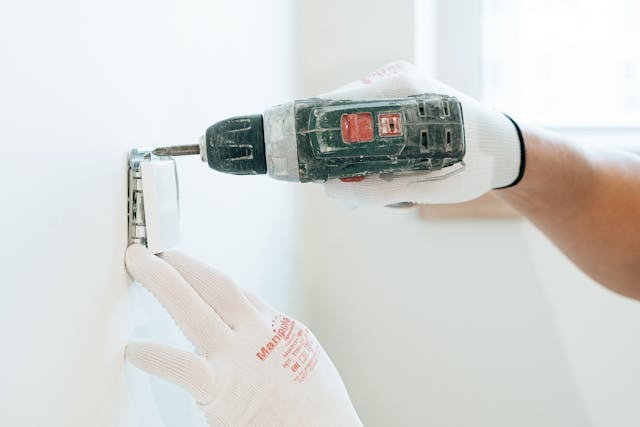
Since insurers often review maintenance history when evaluating risk, strong upkeep can help control premium increases. Upgrading key building systems can also lower your exposure.
Modern plumbing, updated roofing, fire suppression systems, and safe electrical wiring reduce the chance of major losses. When these improvements are documented, some insurers may offer discounts or credits for reducing risk.
Security and safety upgrades further protect your property. Features such as proper lighting, surveillance cameras, and controlled access can deter vandalism and theft. Installing clear signage, slip-resistant surfaces, and sturdy handrails can also reduce liability claims related to accidents.
Strategically Adjust Coverage
Over-insuring a property can be just as expensive as under-insuring it. Review your coverage regularly to ensure limits reflect current replacement costs, not outdated estimates. Accurate property valuations help maintain proper protection while avoiding unnecessary premium increases.
You may also reduce premiums by increasing your deductible. However, this strategy should match your ability to cover higher out-of-pocket costs if a claim occurs. The key is to balance your risk tolerance with your financial capacity.
Finally, review your policy for overlapping or unnecessary coverage. Removing redundant provisions can lead to meaningful savings without sacrificing protection.
Reduce Risk by Diversifying Your Portfolio
If you own multiple properties, you can benefit from insurance policies covering a portfolio. When compared to insuring properties individually, this strategy offers a more streamlined administration and favorable pricing.

Insurers balance risk across different assets by using portfolio-level underwriting. The potential of premium volatility is higher when properties are concentrated in high-risk regions.
For that reason, it is advisable to diversify your portfolio geographically and stabilize insurance costs by spreading exposure across risk profiles and different markets.
Although geographic diversification may not always be possible, large-scale investors should consider it as a long-term strategy.
Partner With an Experienced Property Management Company
A professional property management company will offer valuable market insight and adequate access to multiple providers.
With their experience and connections, they can identify alternative insurers, negotiate terms, and suggest policies according to the specific needs of your property type. A knowledgeable local property manager will act as an advocate, especially during renewals and claims negotiation.
They also perform annual insurance audits to ensure that driven policies align with operational realities, market value, and property conditions. Doing this will help you uncover outdated assumptions, inefficiencies, and opportunities for renegotiation.
Final Thoughts
Rising insurance premiums have become a growing challenge for investors focused on protecting both their assets and long-term returns. While many of the forces driving these increases are outside your control, how you respond is not.
By strengthening your property’s risk profile, structuring coverage strategically, understanding the factors influencing insurance costs, and working with an experienced property management company like KRS Property Management, you can limit the financial impact of rising premiums without sacrificing protection.