






Key Takeaways
Climate risk is now a core investment risk. From floods and wildfires to storms and droughts, climate change can directly hit property values, operating costs, and insurance availability—sometimes in places investors least expect.
Not all climate risks look the same. Coastal assets face sea-level rise, arid regions face wildfire and water stress, and many areas now face stronger storms and extreme weather—so risk is highly location-specific.
Smart due diligence goes beyond the basics. Use climate risk maps, property-level data, and scenario analysis to understand both past exposure and future vulnerabilities before you buy.
Resilience protects returns. Hardening assets, planning for adaptation, and engaging insurers early can improve insurability, reduce long-term losses, and help future-proof real estate investments.
Assessing Climate Risks in Real Estate: A Guide for Investors
There are many things property investors look at when considering the viability of new property investments. Increasingly, one major area of concern for most investors is the potential impact of a region's climate on property values and the long-term performance of their assets.
This risk is exacerbated by the growing effects of climate change, as evidenced by the increased frequency of massive wildfires, ravaging floods, and extremely violent storms, plus strange weather events, in the most unexpected places across the entire globe.
These climate factors present themselves in diverse forms, depending on a region’s geography and topography. For properties in coastal regions, the pressing danger is the risk of rising sea levels, while those in arid regions face a mounting threat of uncontrollable wildfires.
For savvy investors looking to ensure the long-term success of their property investments, the ability to assess the climate risk of a potential investment location before buying properties in that location will help to protect them from the vagaries of a changing climate.
In this guide, KRS Holdings North Carolina explain the key steps for doing this all-important analysis.
What is Climate Risk in Real Estate?
Climate risk in real estate refers to the probability that a property investment will suffer damage as a result of catastrophic events caused by climate change. Among other things, climate risk poses a threat to property values and adversely impacts a property’s insurance premiums.

Climate risks can occur as an acute problem (these are sudden and occasional events with severe consequences) or a chronic problem (longstanding problems that develop slowly and require ongoing management). Examples of key real estate climate risks include:
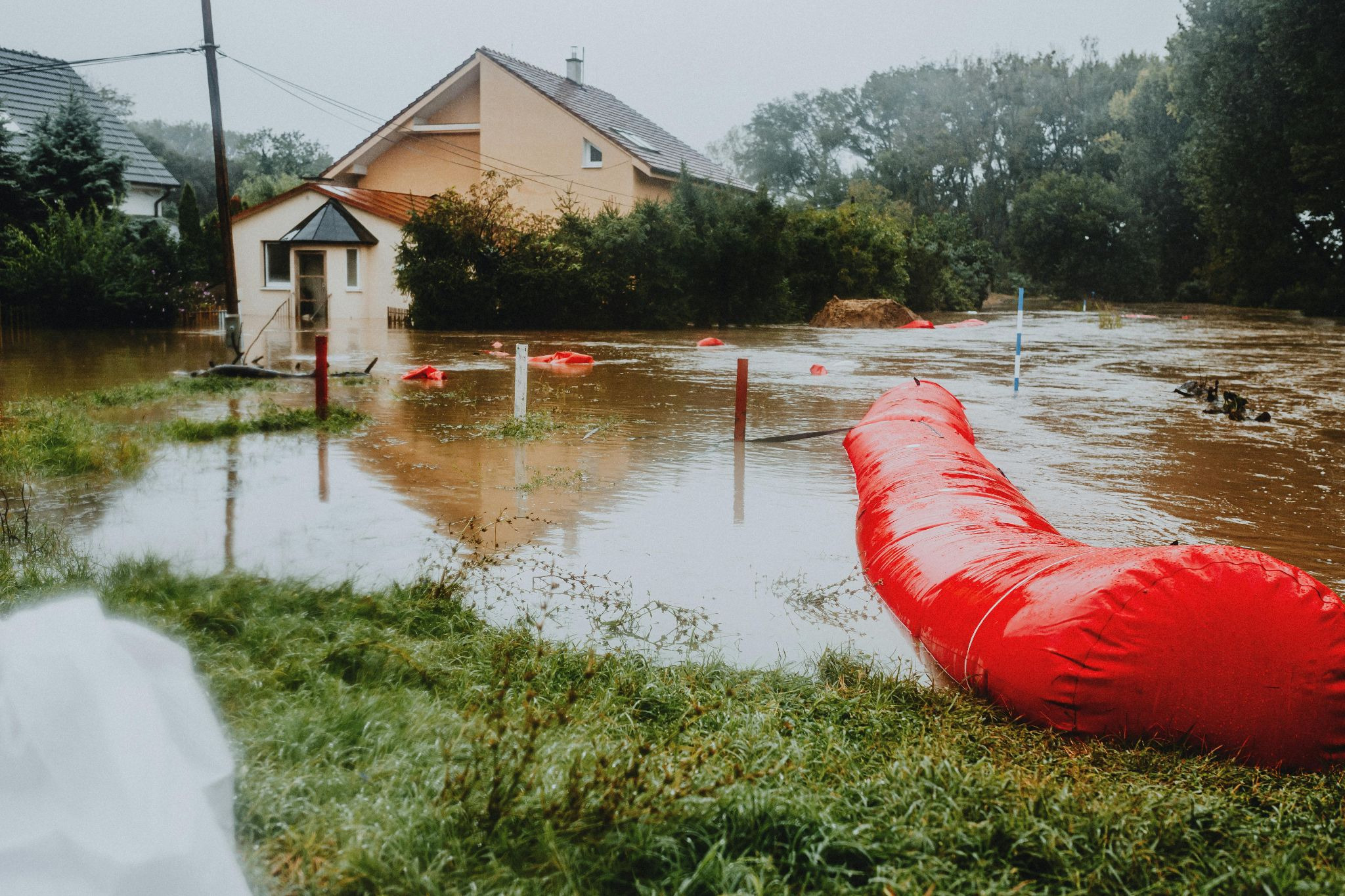
Coastal flooding due to rising sea levels: Globally, sea levels are estimated to have risen between 8-9 inches since the 1880s, with increases of up to 45 inches expected in the future. This is a huge problem for property investments in coastal areas.
Quick-spreading wildfires: More than 6.1% of homes in the US face a severe risk of major damage (including direct destruction and smoke damage) from wildfires. This risk is highest for properties in western states and fire-prone regions of the US.
Severe storms: Hurricanes, tornadoes, and severe storms are happening with increased frequency, even in places that were not traditionally viewed as tornado-prone. Data from realtor.com estimates that 25% of US homes are exposed to this risk.
Extreme snowfall: Heavy snowfall, especially in regions that are not typically known for such phenomena, results in extensive and costly damage to buildings, such as structural failure (roof collapse), frozen plumbing, and overloaded or disrupted utilities.
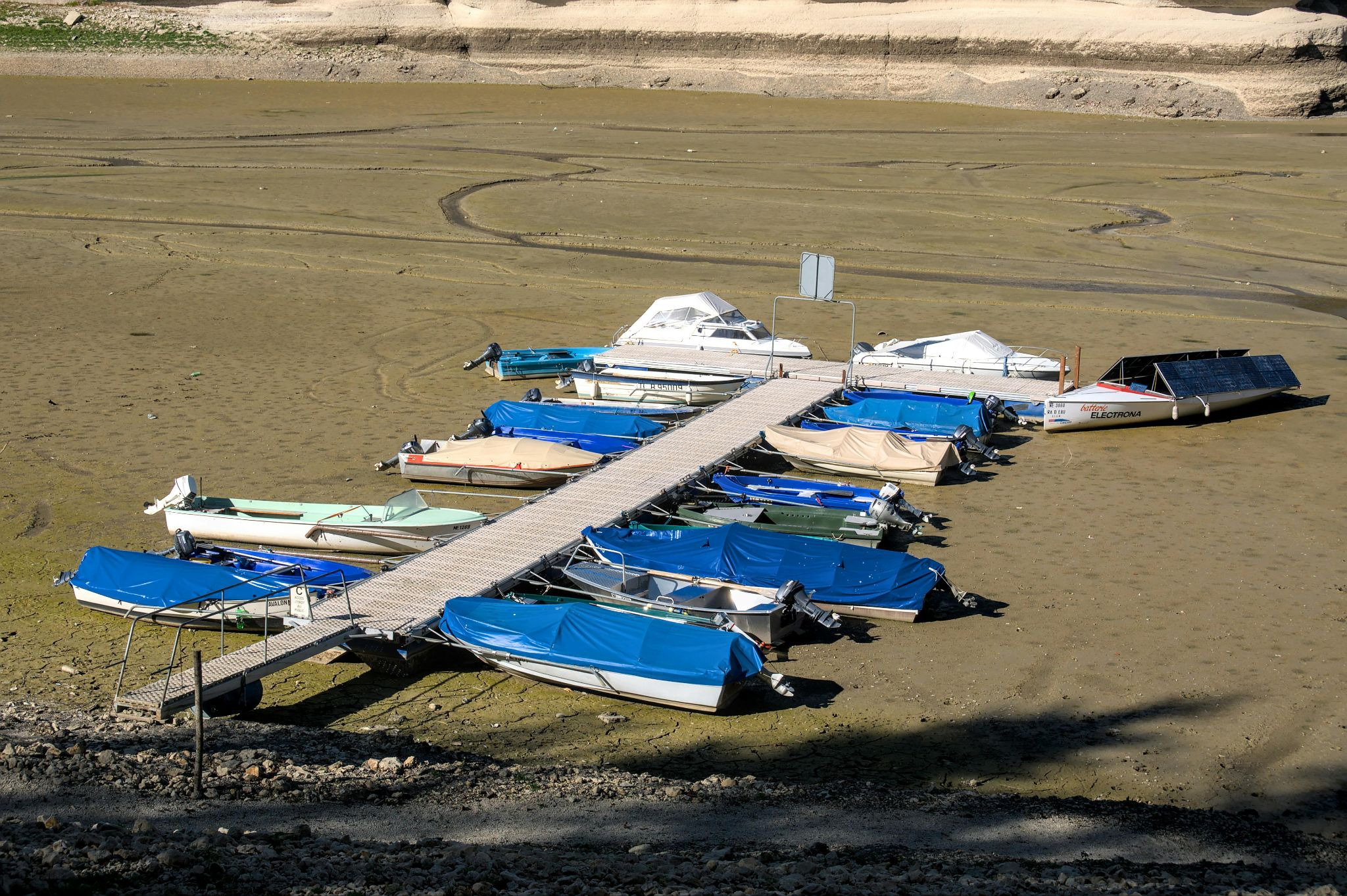
Drought and water scarcity: Drought risk is not a factor most investors look at to make their buying decisions. But prolonged absence of rain or snow can affect a building in unexpected ways: increased physical stress, wildfire risk, and air quality issues.
Assessing Real Estate Climate Risk and Protecting Your Investments
When making investment decisions, property investors need to identify and quantify the climate risks in a proposed investment location. This lets them buy assets that meet a set of preselected criteria or properties that can be modified to reduce their risk exposure. To accurately assess a location’s real estate climate risk and mitigate those risks, these are the steps property investors should follow:
Use the climate risk maps
Climate risk maps highlight key climate risk categories for specific regions and cities and also color-code them to indicate the level of risk exposure for each area. The five risk categories typically shown on these maps are flood, wildfire, wind, heat, and air quality. Because the maps are interactive, users can click into specific parts of the map to drill down into the climate risk details for that location.
Check Property-specific Climate Risk Data
This provides a full climate risk profile of properties based on past events and the possibility of future hazards. The data will show if a property has experienced past climate events like flooding or wildfires. Investors can use information on the past impacts of climate risk on the property to estimate how it might affect it in the future. With this data, they gain critical insight into the property’s insurance requirements.
Conduct Scenario Analyses
By modeling different climate pathways, property investors can measure the potential impact of climate risk on the value of the property, their operations, and financial returns. This helps them project the proposed assets’ resilience against acute and chronic climate risks. With the information derived from this exercise, they can identify key adaptation strategies that can help to mitigate existing climate risks.
Physical Resilience and Asset-hardening
Physical resilience is a property’s ability to survive, adapt to, and recover from exposure to adverse climatic conditions: flooding, extreme heat, heavy snowfall, wildfires, etc. Asset-hardening is a set of strategic steps taken to fortify the property against adverse climate.
This often means retrofitting the building with resilient materials, installing flood barriers, adding fire-resistant upgrades, and other steps to enhance its defenses. These steps make the property more insurable, valuable, and habitable.
Strategic Engagement with Insurers
Even with the above steps, it can be difficult to correctly assess the long-term impact of chronic climate change. This can lead to insurers pulling out of markets assessed as high-risk or very high insurance premiums that make the investment unprofitable.
To guard against this risk, investors must ensure that the property’s climate risk exposure is not underestimated. They should engage with insurers early and often, not just to obtain quotes, but when retrofitting the property to make it more resilient.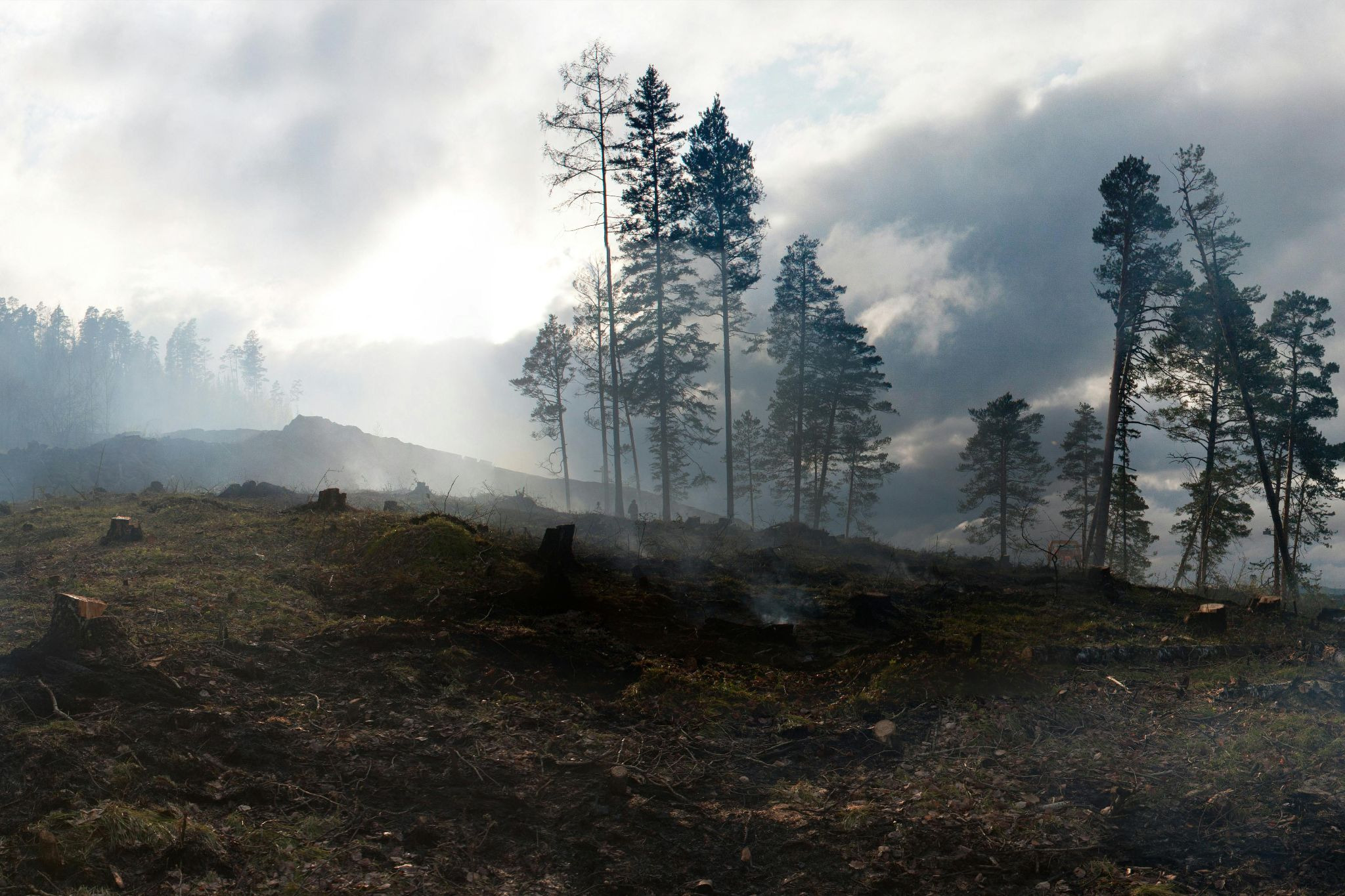
To sum up, the risk of climate change on your property investments is real. Rather than decreasing, these risks can only be expected to get worse. Property investors must protect their current assets and future investments by constantly updating their ability to identify, quantify, and mitigate against these risks.
To do this, they need a multi-pronged approach that involves integrating climate risk assessment into their due diligence when acquiring properties, detailed risk analysis to estimate potential financial losses due to climate factors, and proactive measures to improve the property’s ability to resist climate shocks.