




Key Takeaways
Housing Demand is Shifting: With remote work reducing the need to live near offices, people are now prioritizing lifestyle, space, and functionality. This has increased demand in suburban and rural areas while encouraging urban properties to adapt.
Home Design is Changing: Buyers and renters are seeking homes that support both living and working. Multifunctional rooms, dedicated home offices, enhanced lighting, and soundproofing have become essential features.
Rental Trends are Evolving: Geographic flexibility is altering rental markets. Mid-tier and emerging areas are seeing increased competition, while some urban markets experience moderated demand.
Modern employment has been reshaped by the widespread adoption of remote and hybrid work. What began as a temporary response to an unexpected global disruption has evolved into a long-term shift in how and where people work.
People are no longer selecting homes based solely on proximity to the office. Instead, flexibility, comfort, and functionality have become central considerations. The rise of remote work has introduced new geographic and design preferences into the housing market.
Today’s buyers and renters evaluate properties not just as places to live, but as spaces that must support productivity, privacy, and long-term comfort. This shift is influencing demand across urban, suburban, and rural areas, while also shaping development patterns, home layouts, and pricing trends.
In this article from KRS Property Management, we’ll examine how remote work is affecting housing demand, including its impact on buyer and tenant behavior, property design, geographic preferences, and long-term market trends.
How Remote Work Is Reshaping Housing Demand
Remote and hybrid work models are redefining what people need and expect from their homes, creating noticeable shifts in housing demand across multiple markets.
The Shift from Office-Centered to Home-Centered Living
In the past, housing demand was heavily influenced by proximity to job centers. Living close to downtown offices or major employment hubs helped reduce commute times, making location the primary factor in many housing decisions.
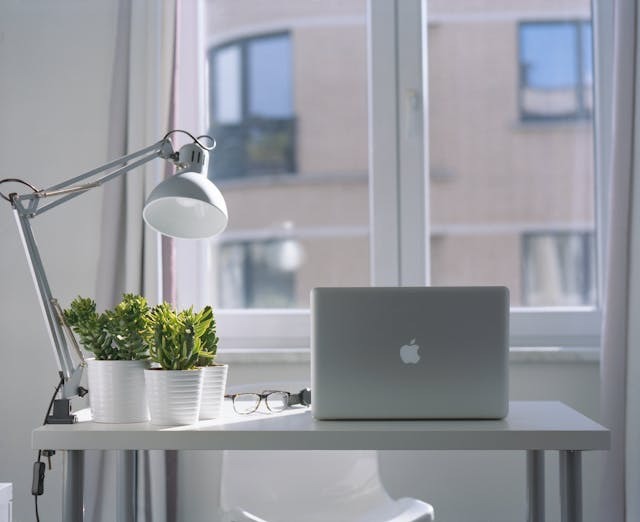
With the normalization of remote and hybrid work, that requirement has weakened. Many employees no longer need to live within commuting distance of a physical office.
As a result, housing choices are increasingly guided by lifestyle preferences, space needs, and affordability rather than workplace proximity alone. Location still matters, but its definition has changed.
Instead of prioritizing downtown access or transit connections, many buyers and renters now value reliable high-speed internet, access to outdoor space, quieter surroundings, and strong community amenities.
This shift has dispersed housing demand, benefiting suburban, rural, and previously overlooked rental markets that offer more space and flexibility.
Urban Housing in the Remote Work Era
Remote work has lessened the need to live in city centers, reducing demand for high-cost, smaller urban apartments that offer limited privacy and space for home offices.
While cities remain attractive for their economic, educational, and cultural opportunities, many tenants now prioritize neighborhoods with larger units, flexible layouts, and greater residential comfort. Cities aren’t disappearing; demand has simply shifted.
Urban homes that support remote work, through extra rooms, soundproofing, or access to shared workspaces, remain appealing. Cities that adapt to these needs continue to attract residents, particularly younger professionals and households valuing urban amenities.
Suburban Growth and Rising Demand
With remote work reducing the need for daily commuting, suburban housing is seeing renewed interest. Many households now prioritize quieter neighborhoods, larger homes, and private outdoor spaces that support both living and working from home.
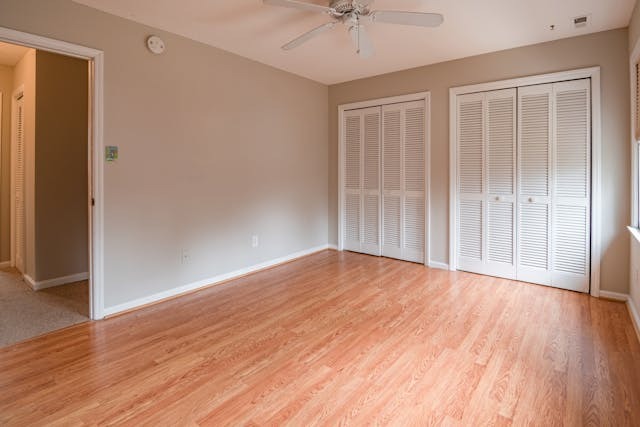
A key factor in housing decisions is the ability to have a dedicated workspace, which makes flexible floor plans especially appealing.
Access to quality infrastructure is also shaping suburban demand. Communities that invest in these amenities are attracting more buyers, including younger professionals and families competing for homes in these areas.
Rural and Secondary Market Growth
Rural and smaller metropolitan areas that previously had lower demand are now experiencing expanded housing demand due to remote work. Remote workers seeking quality of life and affordability are attracted to lifestyle appeal, scenic environment, and lower housing costs.
As a result, some rural markets (especially those offering recreational amenities or within a reasonable distance from urban centers) now have increased rental demand and home prices.
Although rural areas are benefiting from the increasing demand that brought economic opportunities, it has introduced some challenges.
Rural communities that are unaccustomed to rapid growth are experiencing infrastructure strain, rising prices, and housing shortages. Rural communities now require careful planning and investment to balance this growth with sustainability.
Evolving Home Design for Remote Work
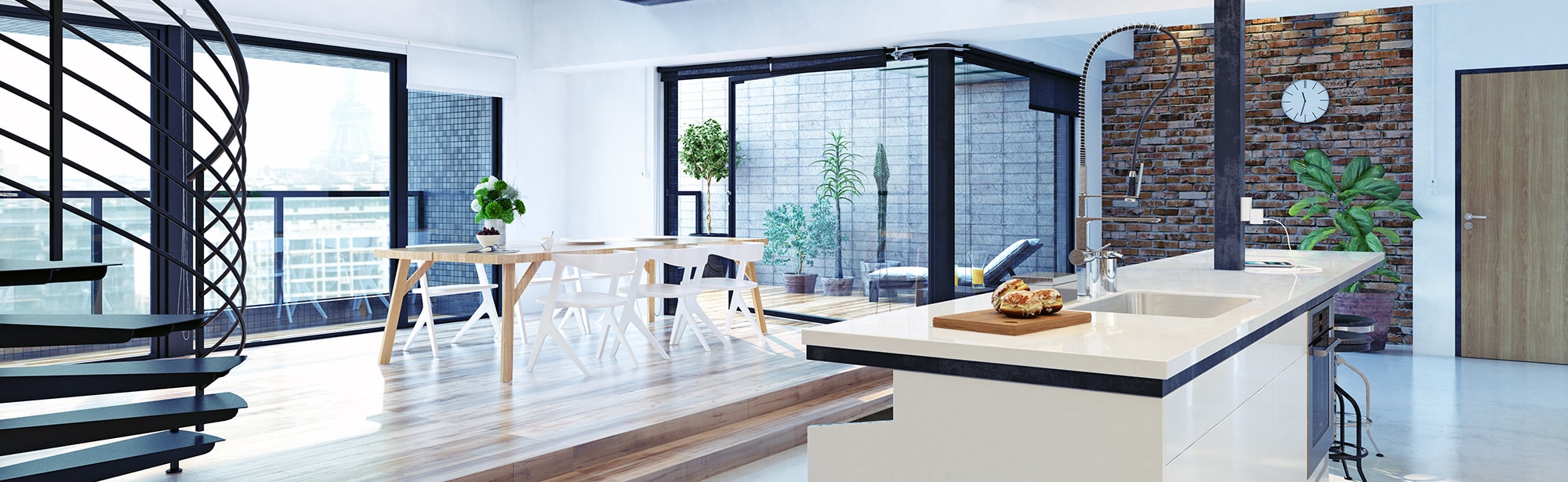
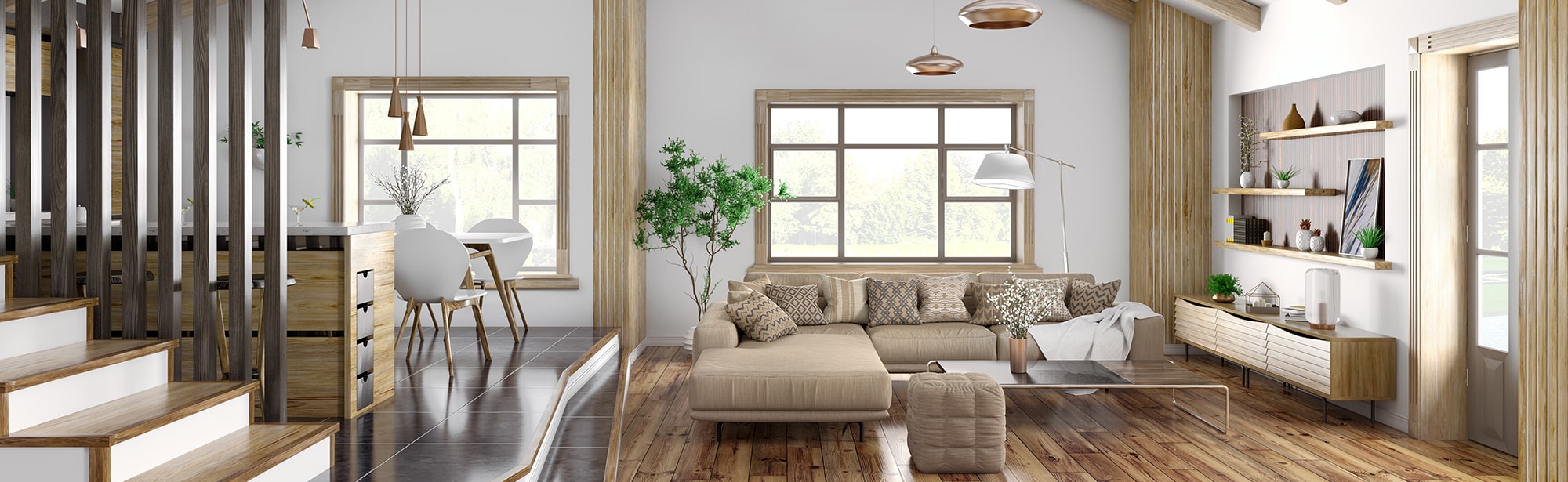
One of the most visible effects of remote work is the need for dedicated workspaces. Homes with adaptable spaces like dens, spare bedrooms, or flexible rooms suitable for professional use, are increasingly appealing to buyers and tenants.
New construction is reflecting this trend, with developers incorporating better lighting, soundproofing, and office-ready layouts into residential designs.

Beyond traditional home offices, multifunctional rooms that can serve as study areas, exercise spaces, or work zones are in high demand. Flexibility has become the defining feature of desirable homes. Properties that can adapt to changing needs over time are seen as more resilient and valuable investments.
Remote Work’s Impact on Rental Demand
Remote work is also reshaping rental markets. Tenants are seeking long-term housing solutions rather than temporary homes near workplaces. Properties that offer stability, comfort, and space are in higher demand.
Geographic flexibility is shifting rental demand across regions. While some high-cost urban markets see moderated interest, mid-tier and emerging markets are experiencing increased competition as remote workers seek more livable and affordable options.
Final Thoughts
Housing demand has been fundamentally altered by the rise of remote work. Working from home is reshaping where people live, what they value in their homes, and how housing markets evolve.
Remote work has created greater geographic flexibility, reducing the constraints of commuting and driving demand for larger, more functional living spaces.
Residential priorities are now guided by comfort, adaptability, and work-from-home suitability. Housing markets will continue to adjust as work patterns evolve.
Investors, developers, and landlords can benefit from understanding these trends, and partnering with experienced property managers like KRS Property Management can help navigate these shifts effectively, ensuring long-term success in a changing market.