






.jpg)
_1.jpg)
Key Takeaways
Undervalued Properties Can Deliver Strong Returns: Buying below market value can lead to higher profits through resale, rental income, or long-term appreciation.
Use Multiple Methods to Find Hidden Deals: Investors often find undervalued properties by driving neighborhoods, targeting emerging areas, and searching off-market, tax-delinquent, or pre-foreclosure listings.
Careful Analysis and Professional Help Matter: Thorough inspections, realistic repair estimates, and fast decision-making are essential. Working with experienced professionals can help reduce risk and improve long-term results.
For real estate investors new and old, spotting an undervalued property is like finding gold in dirt. These types of deals let you make a lot of money in a short time with very little work.
Whether you’re looking to resell it immediately, rent it out or hold it for long-term appreciation, buying an undervalued property almost always guarantees a big payday.
The challenge, however, is that undervalued properties are fairly-hard to find. Some investors even think they don’t exist.
But every single day ordinary property agents and investors like you still somehow manage to find these properties.
In this guide from KRS Property Management, we’ll break down exactly how to spot undervalued real estate deals, what signs to look for, and how to evaluate whether a property is truly worth the investment.
What is an Undervalued Property?
An undervalued property is one that is priced below its market value. Why would a property be undervalued, given that most property owners want to maximize profit by selling their property above market value?
There are many reasons why this happens:
The Owner is in Financial Trouble: Owners who are behind in taxes, facing foreclosure, dealing with a divorce or time-constrained may be forced to sell their home below its market value.
The Property is Neglected or Outdated: If a property is in poor physical condition, has unpermitted work that scares buyers or outdated features, it cannot sell for its true market value.
Distressed Sale: The property is being auctioned by creditors or the government due to the owner’s failure to pay the mortgage, property taxes or meet some other financial obligation.

Owner’s Ignorance: Some properties in a rapidly changing market are undervalued because the property owner still prices their home according to the past economic realities of the area.
Location Dynamics: A range of unfolding negative events may cause a brief decline in a local real estate market, resulting in homes being temporarily priced below their market value.
Poor Marketing: Due to poor quality photos, badly-written descriptions and inadequate property marketing, owners may be forced to sell their home below their asking price if they don’t get any good offers for it.
5 Ways to Find Undervalued Properties
Here are five proven strategies investors use to uncover undervalued real estate opportunities before the rest of the market catches on:
1. Driving for Dollars
This is a strategy where you drive through a neighborhood you are targeting to look for homes with outward signs of neglect, such as overgrown lawns, overflowing mailboxes, broken fences, peeling exterior paint, etc.
Upon finding one, you write down the address to look up the owner later and contact them to see if they are willing to sell.
You may also walk up to the door and knock. With DealMachine and similar apps you can make more progress; they let you pull up the details of a property with just one tap and automatically add the home to a spreadsheet with other potential deals.
2. Target Emerging Areas
Locations with planned or ongoing infrastructure developments often experience a surge in property prices.

But before the projects are completed real estate prices in the area may remain the same or increase at a slow rate. These types of locations are great for finding undervalued properties.
To find these upcoming projects check information sources like Future Land Use Maps (FLUM), building permit records and your area’s infrastructure master plans.
Other sources include news releases from local economic development agencies and news/announcements on large housing projects, industrial parks, or infrastructure developments by your local real estate investment body or business journals.
3. Look for Off-Market Properties (Pocket Listings)
An off-market property is a for-sale property that is not listed on the MLS (Multiple Listing Service) or other major channels where properties are typically sold.
To keep the sale private, owners of such properties may opt to share information through active property investor groups, networks of local estate agents and word-of-mouth.
To speed up transactions sellers with off-market properties often target cash buyers and they are usually willing to sell below the market value.
To find off-market groups you should work with investor groups, local real estate professionals and platforms like Facebook Marketplace and Craigslist.
4. Search for Tax Delinquent Properties
Counties keep a list of the tax-delinquent properties in their area. In most jurisdictions, the updated lists are maintained by the county tax assessor's/treasurer's office.
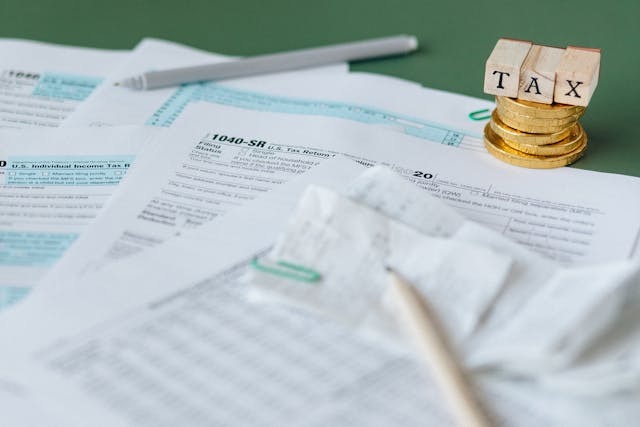
You can find this list on the county website, but if not available online, you can call or visit the county office to obtain the list. To purchase one of these properties you must attend a tax lien/tax deed auction, either online or in-person.
Online platforms like PropStream, DealMachine and Mashvisor also aggregate tax delinquent properties and let you conduct advanced searches that may not be available on government websites.
5. Check Pre-Foreclosure Listings
These are properties where the owners have defaulted on their property mortgage payments. In most counties, at the County Recorder’s office you can find these properties on a list. Bank websites also maintain a similar list.
You may also find the listed posted on the bulletin board of your local courthouse. If a property is on the pre-foreclosure list it only means there is a chance that the owner might be willing to sell to avoid auction.
If you find a property that matches your criteria on this list, contact the owner and ask if they would be interested in selling to you.
Bottom Line
Finding an undervalued home can be a smart and profitable move, but success depends on how carefully you approach the opportunity. Always start with thorough due diligence by reviewing all property documents and conducting detailed inspections to uncover any hidden structural or legal issues.
Accurately estimating renovation costs is just as critical, as understanding the full scope and expense of repairs before committing can help protect your return on investment.
At the same time, you must be prepared to act quickly, since undervalued properties rarely remain on the market for long. Finally, don’t overlook the value of professional support.
Partnering with experienced real estate experts and a trusted team like KRS Property Management can help you avoid costly mistakes, streamline the process, and turn an undervalued property into a successful long-term investment.