






Key Takeaways
Buyer’s Market Pressure: In a buyer’s market, increased competition and lower demand can lead to longer listing times, lower offers, and more pressure to accept concessions.
Renting as an Alternative: If your home isn’t selling, renting it out can be a strategic alternative that provides steady income, helps cover ongoing costs, and allows you to wait for improved market conditions.
Long-Term Investment Potential: Converting a property into a rental can create long-term investment opportunities, especially when supported by a professional property management team.
Trying to sell your home only to watch it sit on the market can be frustrating, especially when offers start coming in lower than expected.
In a buyer’s market, changing demand, increased competition, and pricing pressures can make selling more difficult than homeowners anticipate.
Instead of accepting an offer that doesn’t reflect your property’s value, it may be worth exploring alternative options. In this guide, KRS Property Management explains why homes sometimes struggle to sell and what steps you can take to protect your investment and move forward with confidence.
Why Your House Isn’t Selling
If your house isn’t attracting buyers, the issue may be with the property itself, or the market conditions around it. Common reasons include:
Overpricing: If interest drops off after the first few weeks, your asking price may be too high.
Weak Marketing: Low-quality photos or an ineffective property listing can reduce buyer interest.
Poor Presentation: Cluttered or unstaged homes can make it harder for buyers to picture themselves living there.
Property Condition: Visible maintenance issues may cause buyers to worry about future repair costs.
Selling Strategy: The wrong agent, platform, or approach can limit exposure and reduce offers.
If none of these factors seem to apply, the market itself may be the challenge. In a buyer’s market, more inventory and increased competition make it harder to attract strong offers and sell quickly.
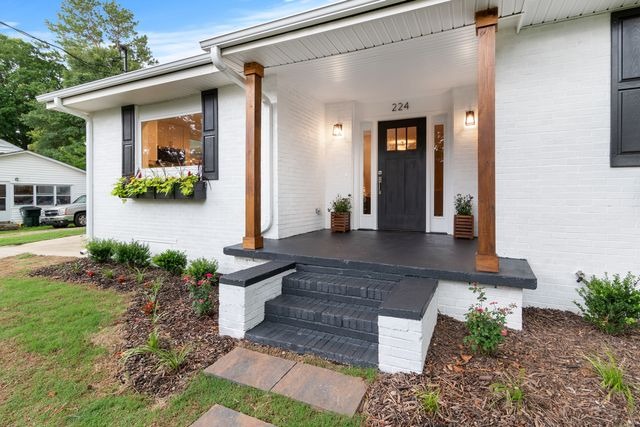
Understanding current conditions can help you decide whether to adjust your selling strategy, or consider alternatives like renting.
Buyer’s Market: Why it Matters When Selling Your Home
A buyer’s market happens when there are more homes available for sale than there are active buyers. With increased inventory and fewer people competing to purchase, buyers gain more negotiating power and sellers often face greater pressure to stand out.
If your home isn’t attracting offers, market conditions may be playing a major role. Here’s how a buyer’s market can impact your sale:
Longer Time on Market
Homes generally take longer to sell in a buyer’s market because buyers have more options to choose from. Extended listing periods can create pressure to lower expectations or make quick decisions just to secure an offer.
More Pressure to Reduce Pricing
When similar homes are competing for the same pool of buyers, sellers often adjust pricing to remain competitive. Over time, repeated market price reductions can make it harder to achieve your original financial goals.
Greater Demand for Seller Concessions
Buyers may request additional incentives as part of negotiations. These concessions can include covering closing costs, paying for repairs, including appliances, or agreeing to more favorable contract terms.
If selling in these conditions no longer aligns with your goals, there may be another path worth considering.

Rather than accepting a lower offer, some homeowners choose to temporarily remove their property from the market and rent it out until conditions improve. Renting can create income, preserve long-term value, and provide more flexibility while waiting for a stronger selling environment.
Benefits of Renting Your Home
If selling your home in a buyer’s market means accepting lower offers or unfavorable terms, renting may be a practical alternative.
Real estate markets move in cycles, and choosing to rent allows you to generate income while waiting for stronger market conditions rather than leaving the property vacant or selling before you’re ready.
Here are some of the key benefits of turning your home into a rental property:
Maintain Flexibility and Control
One of the biggest advantages of renting is preserving your options. When sellers feel pressured to close quickly, they often lose negotiating power.
Renting allows you to hold onto the property, generate income, and wait until market conditions better support your financial goals before deciding to sell.
Generate Ongoing Rental Income
Instead of becoming a carrying cost, your property can become an income-producing asset. Rental income may help offset mortgage payments, taxes, insurance, and maintenance expenses while potentially creating additional cash flow.
At the same time, your property may continue to appreciate in value and build equity over time.
Take Advantage of Potential Tax Benefits
Converting a home into a rental property can create opportunities for deductible business expenses that may not apply to owner-occupied homes.
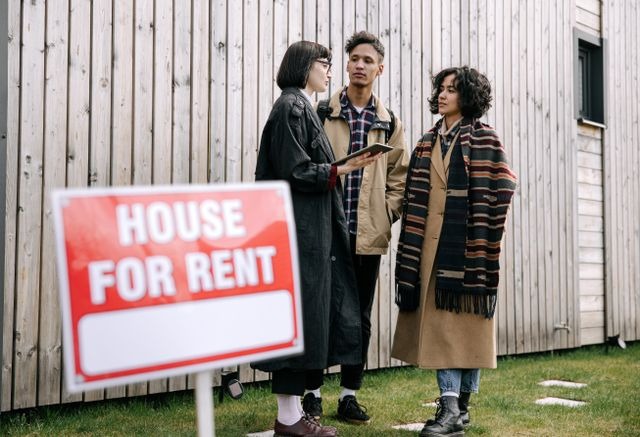
Depending on your situation and local tax rules, eligible expenses may include mortgage interest, property taxes, insurance, maintenance, professional services, and advertising costs. Always consult a tax professional to understand what applies to you.
Create a Path Toward Real Estate Investing
Many real estate investors started with a home they already owned. Renting your property can introduce you to long-term wealth-building opportunities while helping you gain experience managing an income-producing asset.
With the right strategy and professional support, your first rental could become the foundation for future investment goals.
For homeowners who aren’t ready to sell at today’s prices, renting can provide financial flexibility and help protect long-term value until the market shifts in your favor.
Why You Need a Property Manager
Renting out your home can be a smart alternative to selling in a buyer’s market, but managing a rental successfully takes time, knowledge, and ongoing attention.
A rental property comes with responsibilities such as marketing the home, screening residents, collecting rent, coordinating maintenance, staying compliant with housing regulations, and handling day-to-day issues.
Without the right systems in place, costly mistakes can happen. That’s where a professional property manager can make a difference.
By handling operations, protecting your investment, and creating a smoother experience for both owners and residents, a property management team can help turn your rental into a more efficient and less hands-on investment.
Bottom Line
If your house isn’t selling, accepting a lower offer isn’t your only option. Renting your property can provide income, preserve flexibility, and give you time to wait for stronger market conditions.
Whether you use it as a temporary solution or the start of a long-term investment strategy, working with an experienced team like KRS Property Management can help you make the most of your property while reducing the stress of managing it yourself.