






Key Takeaways
Vacancy Costs: Every additional day a rental property remains vacant represents lost potential rental income, along with ongoing ownership expenses.
Rent Reduction: A rent reduction should be evaluated against the total income it could help preserve by shortening the vacancy period.
Marketing Improvements: Improving listing photography, property presentation, marketing descriptions, and showing availability may help generate interest without lowering rent.
One of the most challenging decisions rental property owners face is whether to keep their asking rent unchanged or lower the rent price to attract tenants faster.
When a rental property remains vacant longer than expected, landlords may hesitate to reduce rent. However, waiting several additional weeks for a tenant willing to pay the original price can also become expensive.
Understanding accepting a longer vacancy vs. reducing the asking rent helps landlords make informed decisions based on market conditions and financial goals.
With guidance from KRS Property Management, Richmond-area rental property owners can better evaluate pricing strategies, minimize vacancy costs, and protect their rental income.
Price Your Raleigh Rental With Confidence
Why Rental Pricing Matters
Rental pricing influences how prospective tenants respond to a listing. A competitively priced property may attract more inquiries and showings, while one priced above comparable rentals may experience slower activity.
Several factors influence rental demand:
Property location, condition and amenities.
Bedrooms, bathrooms, parking and outdoor space.
Seasonal demand and competing listings.
Current economic conditions.
Landlords should evaluate these factors before assuming a vacant property simply needs more time on the market.
Option 1: Accepting a Longer Vacancy
Accepting a longer vacancy means maintaining the original asking rent while waiting for an applicant willing to pay that amount.
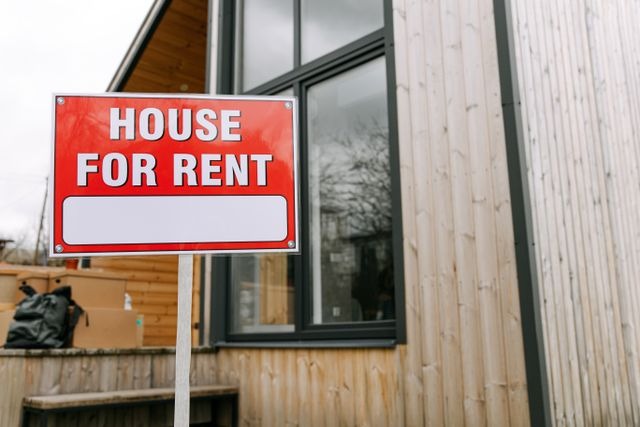
This approach may make sense when comparable properties support the price and the owner has sufficient financial reserves.
Potential benefits include:
Preserving monthly rental income.
Avoiding unnecessary price reductions.
Allowing additional time for marketing.
However, vacant properties still generate expenses, including mortgage payments, taxes, insurance, utilities, HOA fees and maintenance. An extended vacancy can reduce annual returns, particularly when ownership costs are substantial.
Option 2: Reducing the Asking Rent
Reducing the asking rent involves adjusting the listing price to better reflect current market conditions. A modest reduction may help the property compete with similar rentals.
Potential benefits include:
Generating more inquiries and showings.
Improving listing competitiveness.
Reducing time to secure a tenant.
Limiting lost rental income.
However, a price reduction does not guarantee faster leasing. Property condition, marketing and local demand also affect results.
Lower rent also reduces income throughout the lease term. For example, a $100 monthly reduction represents $1,200 less in gross income over a 12-month lease. Landlords should compare that amount with the cost of remaining vacant.
Longer Vacancy vs. Lower Rent: Financial Comparison
Consider a rental property originally listed for $2,500 per month. The owner is considering two options:
Option A: Keep the asking rent at $2,500 and wait another month.
Option B: Reduce the asking rent to $2,400 and secure a tenant immediately.

Assuming a 12-month comparison period:
Option A: Longer Vacancy
Monthly rent: $2,500
Additional vacancy: 1 month
Occupied months: 11
Gross rental income: $27,500
Option B: Reduced Asking Rent
Monthly rent: $2,400
Additional vacancy: 0 months
Occupied months: 12
Gross rental income: $28,800
In this example, accepting the lower rent produces $1,300 more gross income over the comparison period.
These figures exclude operating expenses and leasing costs and assume the lower-priced property rents immediately, which is not guaranteed.
How Much Does One Month of Vacancy Cost?
For a property advertised at $2,500 per month, one vacant month represents $2,500 in lost potential gross rent.
Owners may also face additional vacancy-related costs, such as utilities, exterior maintenance, rental inspections, advertising and cleaning.
Mortgage payments and property taxes generally continue regardless of occupancy. Separate lost rental revenue from additional vacancy-related expenses when evaluating the financial impact.
Turn Comparable Data Into Better Pricing
When Should Landlords Adjust or Maintain Rent?
A rent reduction may make sense when a property receives limited interest despite adequate marketing. Warning signs include:
Few inquiries or showing requests after several weeks.
Prospective tenants choosing comparable properties.
Competing rentals offering lower prices or better amenities.
An asking price unsupported by current market data.
Maintaining the original rent may be reasonable when comparable properties support the price, inquiries remain consistent and the owner can comfortably manage a temporary vacancy.

Establish a review period rather than leaving the rental listing unchanged indefinitely. A rental market analysis can help determine whether pricing is contributing to the vacancy.
How to Calculate the Break-Even Point
Landlords can estimate how much additional vacancy is financially equivalent to a proposed rent reduction.
Consider a property listed for $2,500 per month with a proposed $100 monthly reduction for a 12-month lease.
Annual gross revenue difference: $100 × 12 months = $1,200
Equivalent vacancy period: $1,200 ÷ $2,500 = 0.48 months
This equals approximately 14–15 days of rent at the original asking price. Waiting more than roughly two additional weeks could eliminate the gross income advantage of maintaining the higher rent.
This simplified calculation assumes the reduced-price property rents immediately and excludes expenses and uncertainty.
Other Ways to Reduce Vacancy Without Lowering Rent
Before adjusting the price, landlords can improve rental marketing and property presentation.
Improve Listing Photography: Use clear, well-lit images highlighting the property's features.
Strengthen the Rental Description: Highlight amenities, parking and outdoor space.
Improve Property Presentation: Address cleaning, landscaping and cosmetic issues.
Make Showings Convenient: Offer flexible scheduling.
Review Competing Listings: Compare nearby rentals, pricing and incentives.
These adjustments may improve interest without requiring an immediate rent reduction.
Why Tenant Quality Still Matters
Filling a vacancy quickly should not come at the expense of appropriate screening. Maintain consistent, legally compliant qualification standards regardless of the asking rent.

Screening may include income verification, rental history, references and legally permitted background checks. The goal is to attract qualified applicants while protecting long-term financial performance.
How to Make the Right Pricing Decision
Before choosing between a longer vacancy and a lower asking rent, consider five questions:
How long has the property been vacant? Compare the vacancy period with local leasing expectations.
Is the asking rent competitive? Review recently leased properties and active listings.
What is the cost of waiting? Calculate lost rent and additional vacancy expenses.
How much would a rent reduction cost? Estimate the difference over the lease term.
Is the property attracting qualified applicants? Evaluate inquiries, showings and applications.
Current rental market information is more useful than relying solely on the original asking price.
Get a Defensible Raleigh Rent Range
Bottom Line
Choosing between accepting a longer vacancy vs. reducing the asking rent requires balancing rental income with the financial impact of an unoccupied property.
Maintaining a higher rent may make sense when demand supports the price and the owner can manage a temporary vacancy. Reducing rent may produce better results when a modest adjustment helps secure a qualified tenant sooner.
Evaluate market conditions, calculate potential revenue differences and adjust your strategy when necessary. KRS Property Management can help rental property owners assess pricing, minimize vacancy periods and develop leasing strategies that support long-term investment performance.
Frequently Asked Questions
Can I Offer a Move-In Incentive Instead of Lowering the Monthly Rent?
Yes. Landlords may consider incentives such as a reduced security deposit where legally permitted, a move-in credit, or another leasing concession.
These offers can make a property more attractive without permanently reducing its monthly rental rate, but owners should compare the upfront cost with the potential vacancy savings.
Should I Accept the First Qualified Applicant to Avoid Losing More Rent?
Not necessarily. Although minimizing vacancy is important, landlords should still follow consistent screening criteria and evaluate each application carefully.
Rushing the leasing process can create additional financial and management challenges if an applicant does not meet the property's established qualification standards.
Does a Rent Reduction Affect Future Lease Renewals?
It can. The rent established in the original lease may influence future renewal discussions, particularly if market conditions remain similar.
Landlords should consider not only the immediate income difference but also how the agreed rental rate fits into their longer-term investment strategy.
Should I Keep Advertising a Property After Receiving an Application?
Yes, until the application has been approved and the necessary lease arrangements are sufficiently finalized. An application does not guarantee that a prospective tenant will qualify or move forward.
Continuing marketing efforts can help reduce the risk of extending the vacancy if an applicant withdraws or does not meet screening requirements.
How Can I Avoid Repeated Vacancies Between Leases?
Landlords can reduce turnover-related downtime by communicating with residents early about renewal intentions, scheduling inspections before move-out, arranging necessary repairs promptly, and preparing marketing materials in advance.
A proactive leasing process makes it easier to begin attracting prospective tenants before a property is ready for its next occupancy.
Confirm Your Raleigh Asking Rent Today